
MODERN DANCE
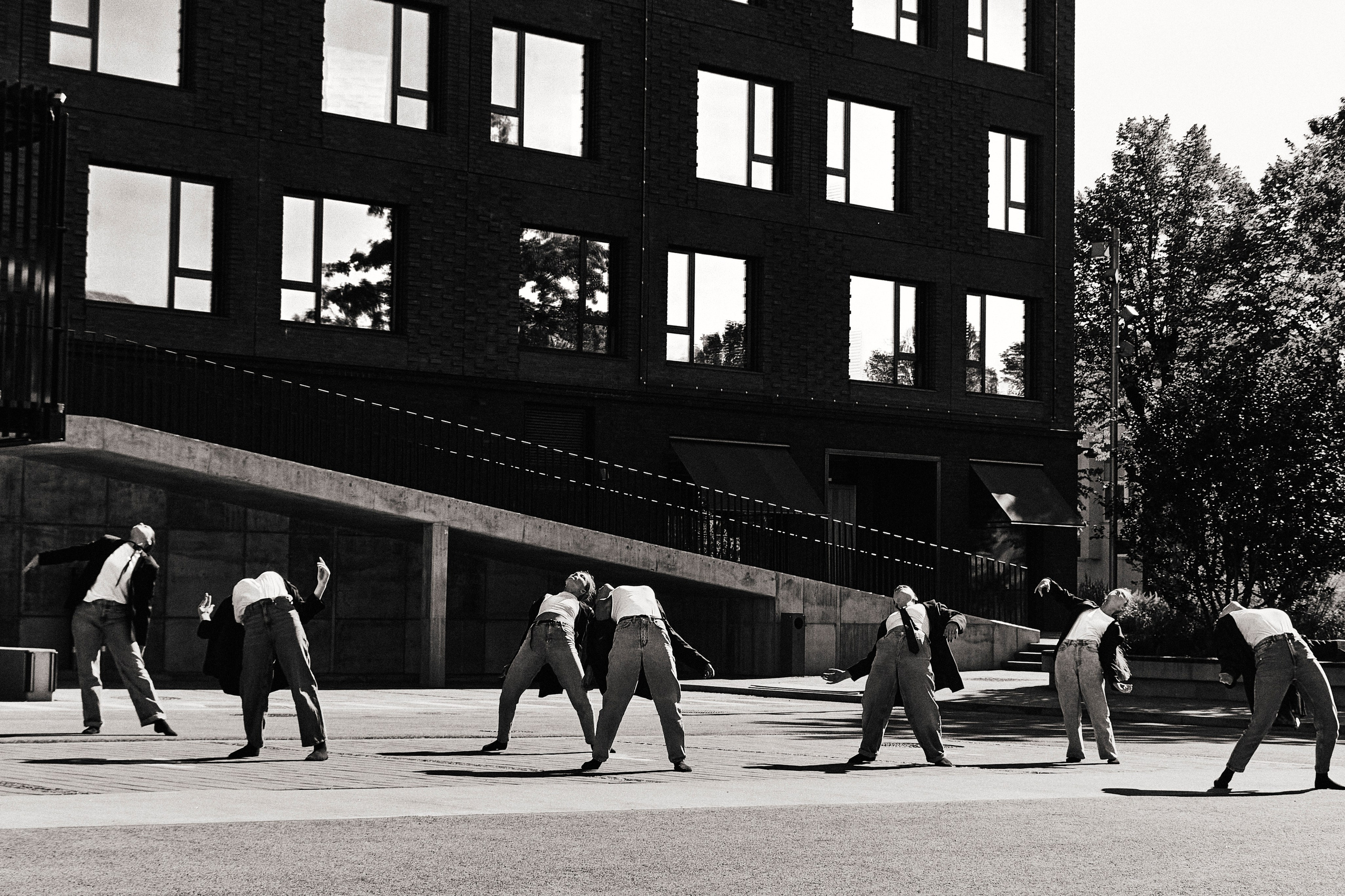
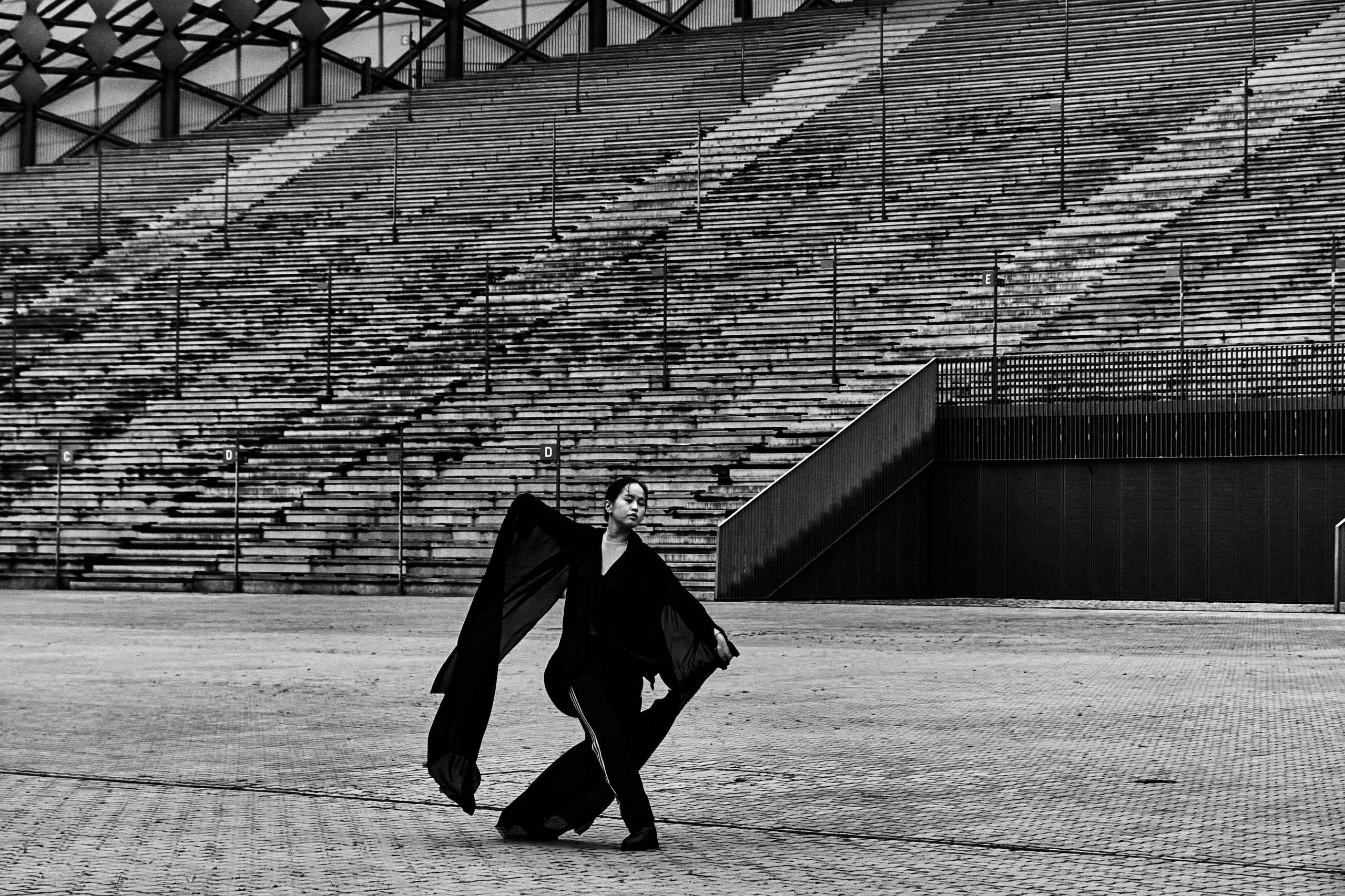
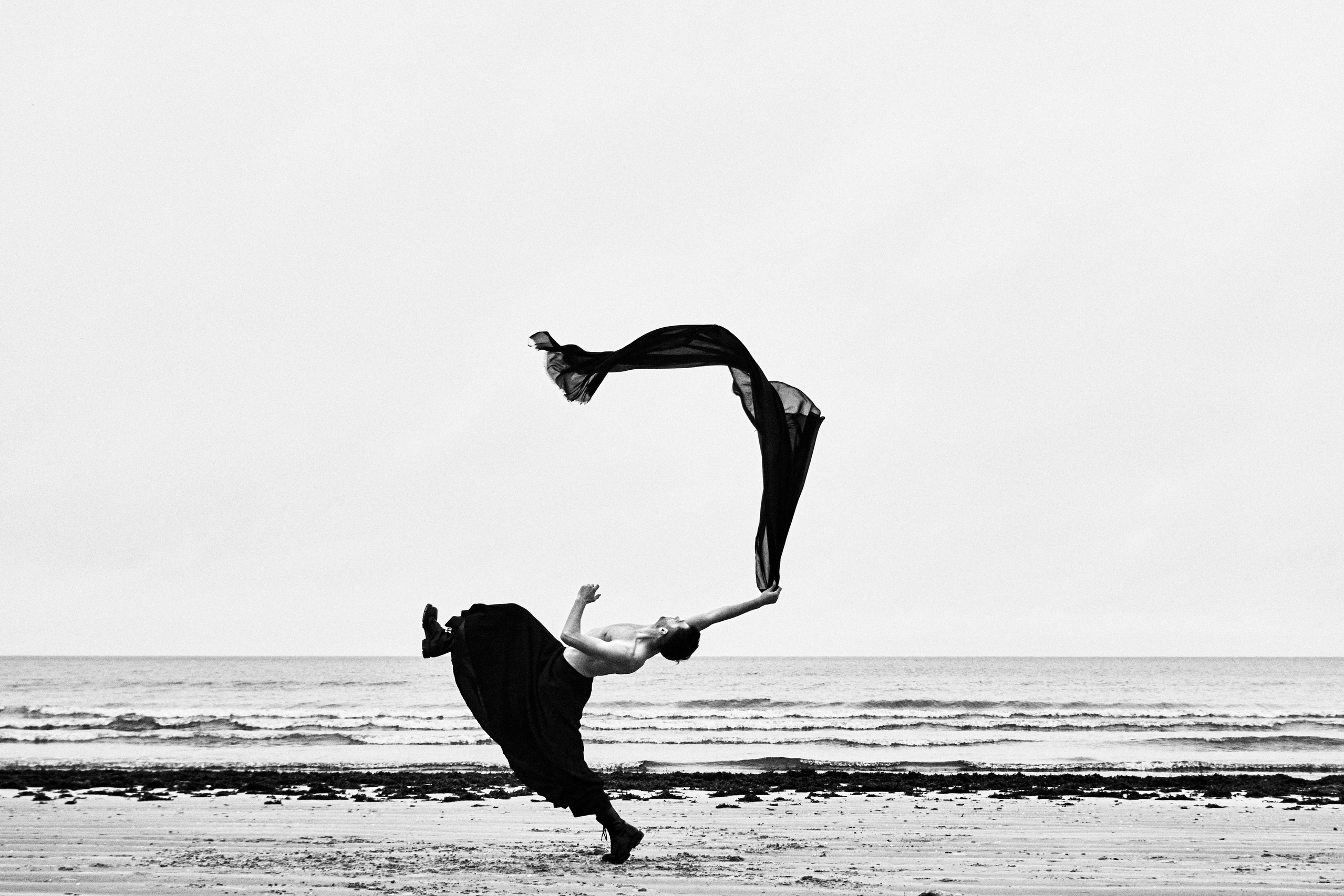
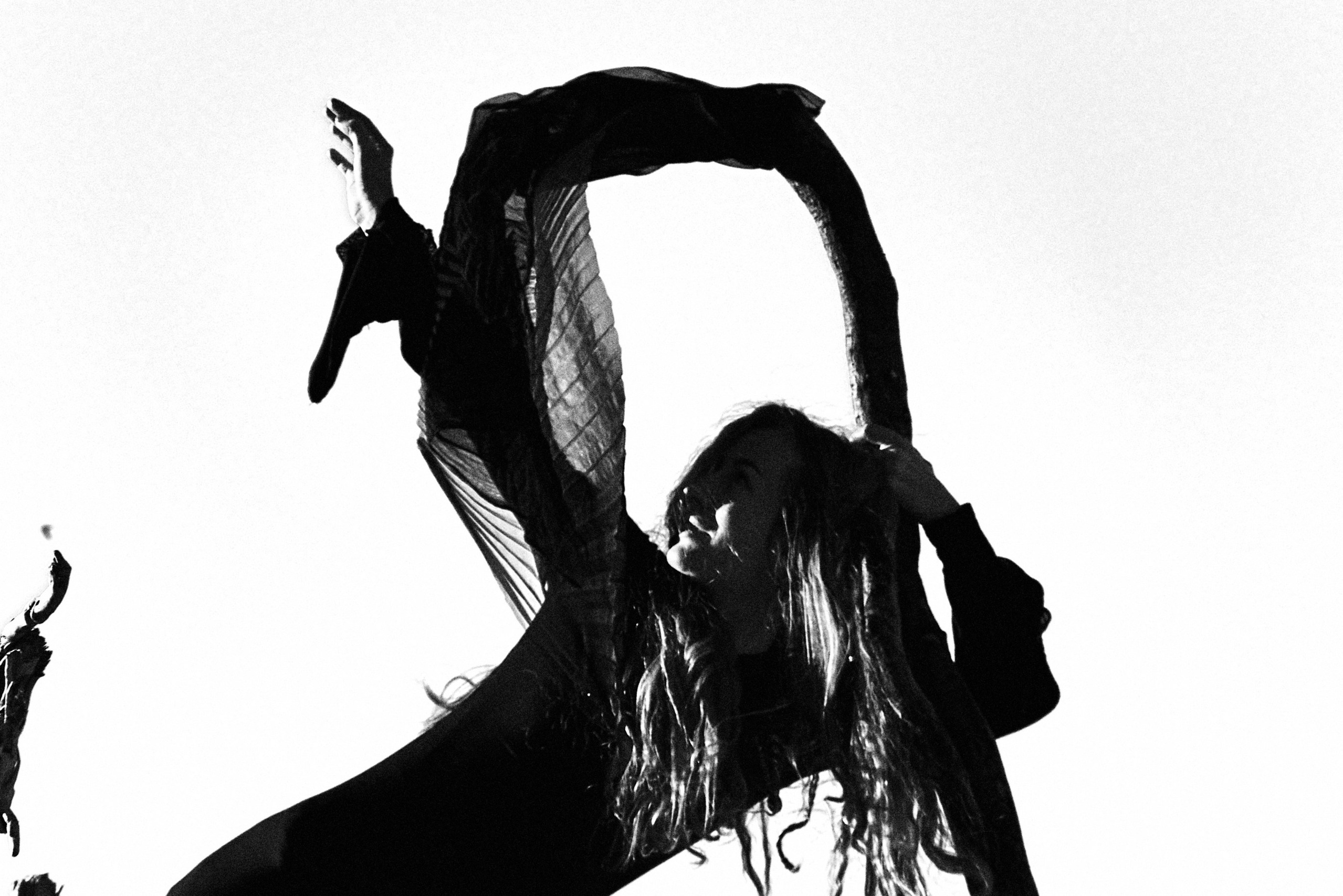
Dance is one of the oldest forms of human expression—some even call it the first language. As a photographer, I study dance to understand the possibilities and limitations of the human body, as well as the connection between movement and emotion.
One doesn’t need to be a professional dancer to express something profound through movement. In my photography, I explore how a still image can hold the same intensity, fluidity, and storytelling power as a live performance.
AVANT-GARDE FASHION
Originally hailing from military jargon, “avant-garde” denotes the vanguard, the troops advancing first into battle. In fashion, this forward-thinking mindset manifests through experimental, innovative, and unconventional designs.*
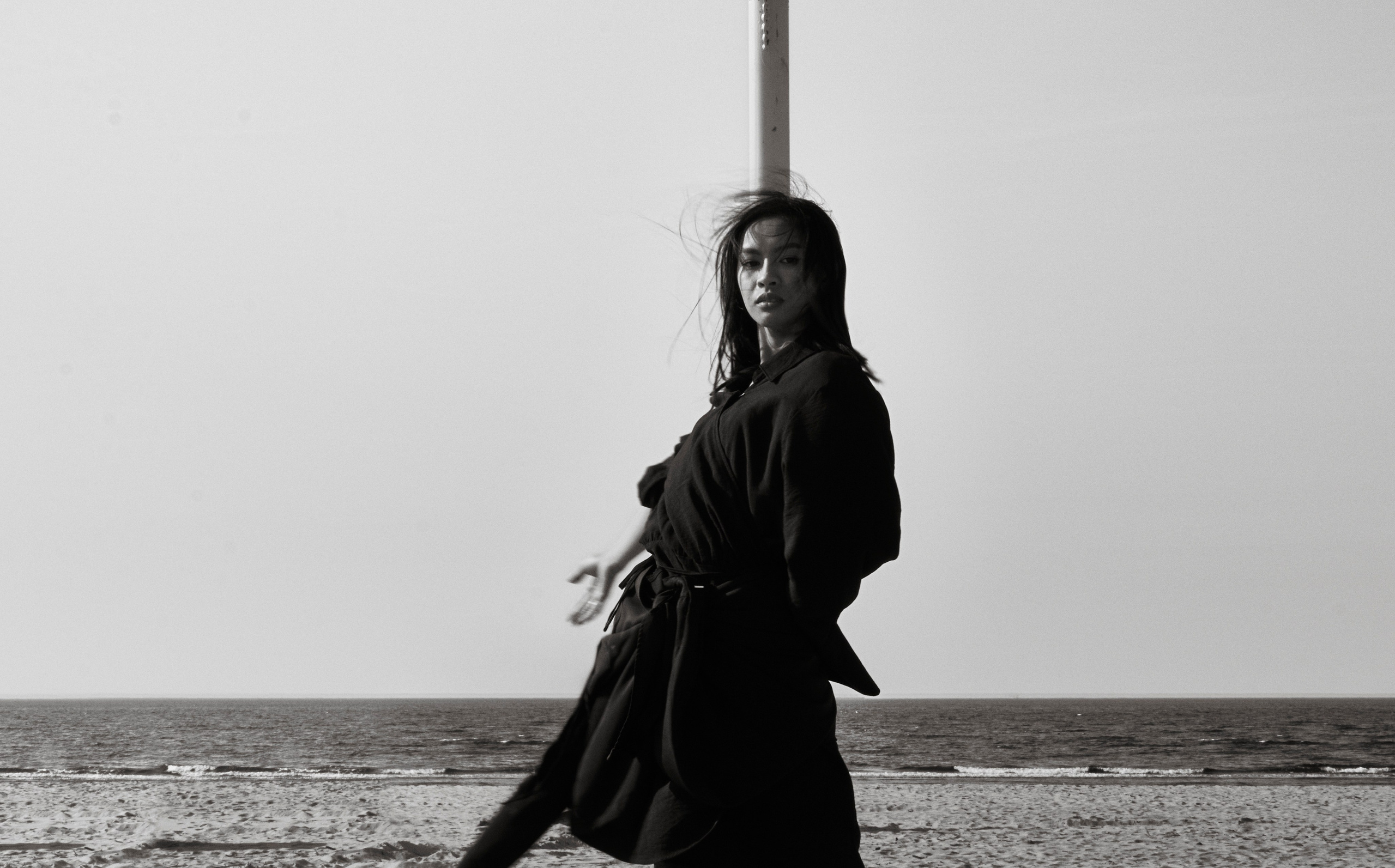
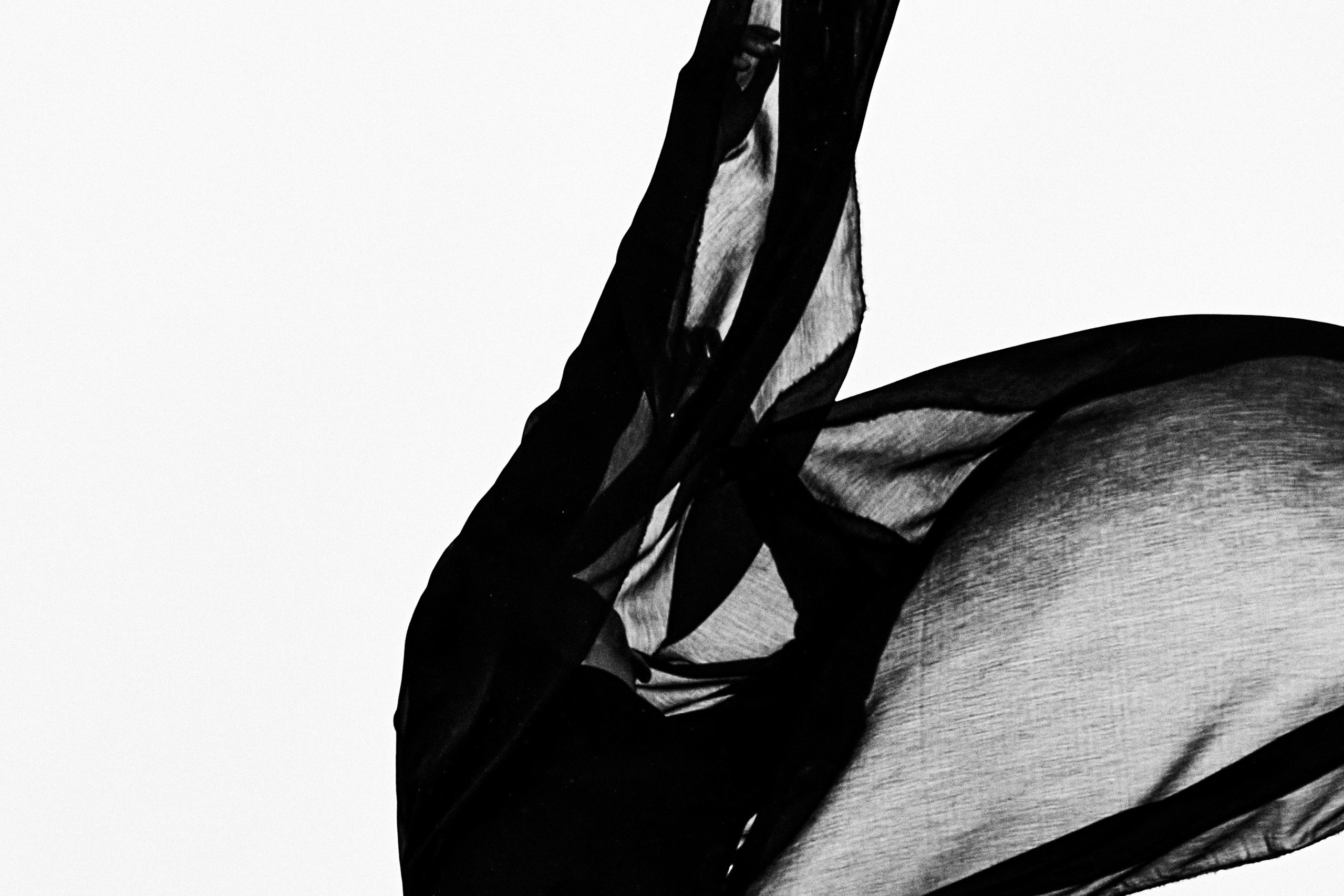
Fashion can be approached in two ways: as fleeting trends to follow, or as a statement of personal values and philosophy. I choose the latter. Avant-garde fashion, to me, is not just clothing—it’s a language, a way to challenge norms and redefine beauty.
My inspirations include Yohji Yamamoto, Ann Demeulemeester, Rick Owens, and other designers who embrace raw elegance, asymmetry, and the poetry of deconstruction.
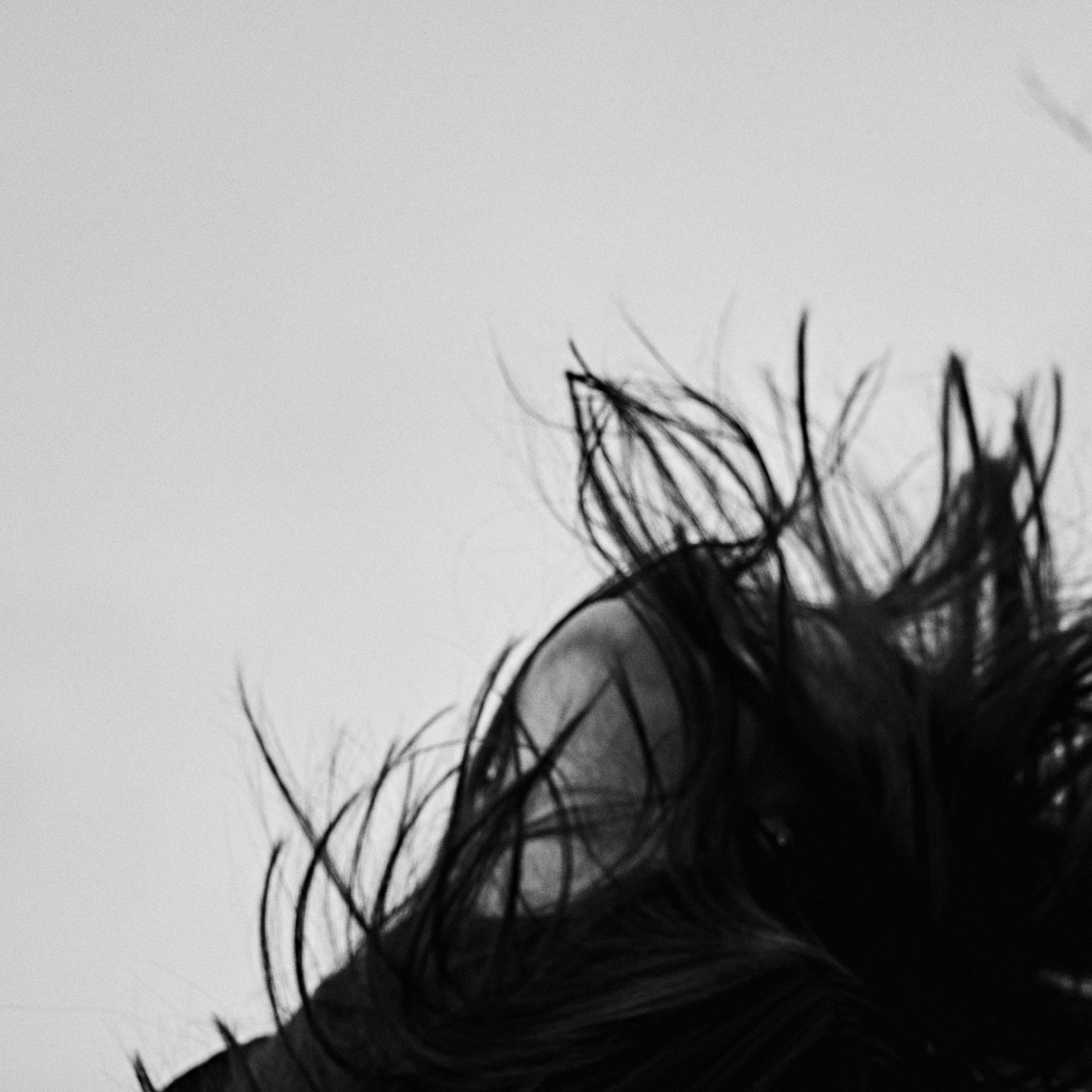
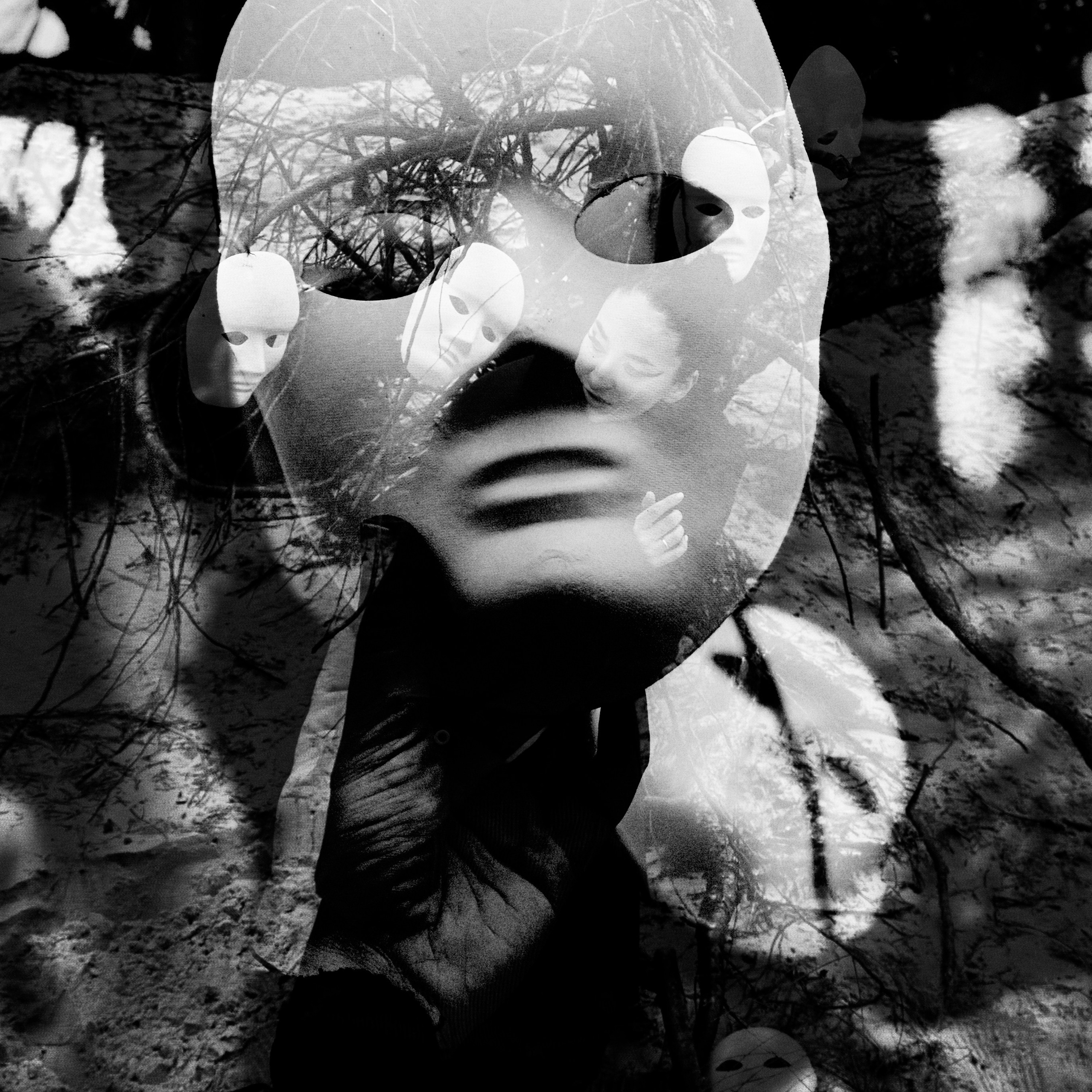
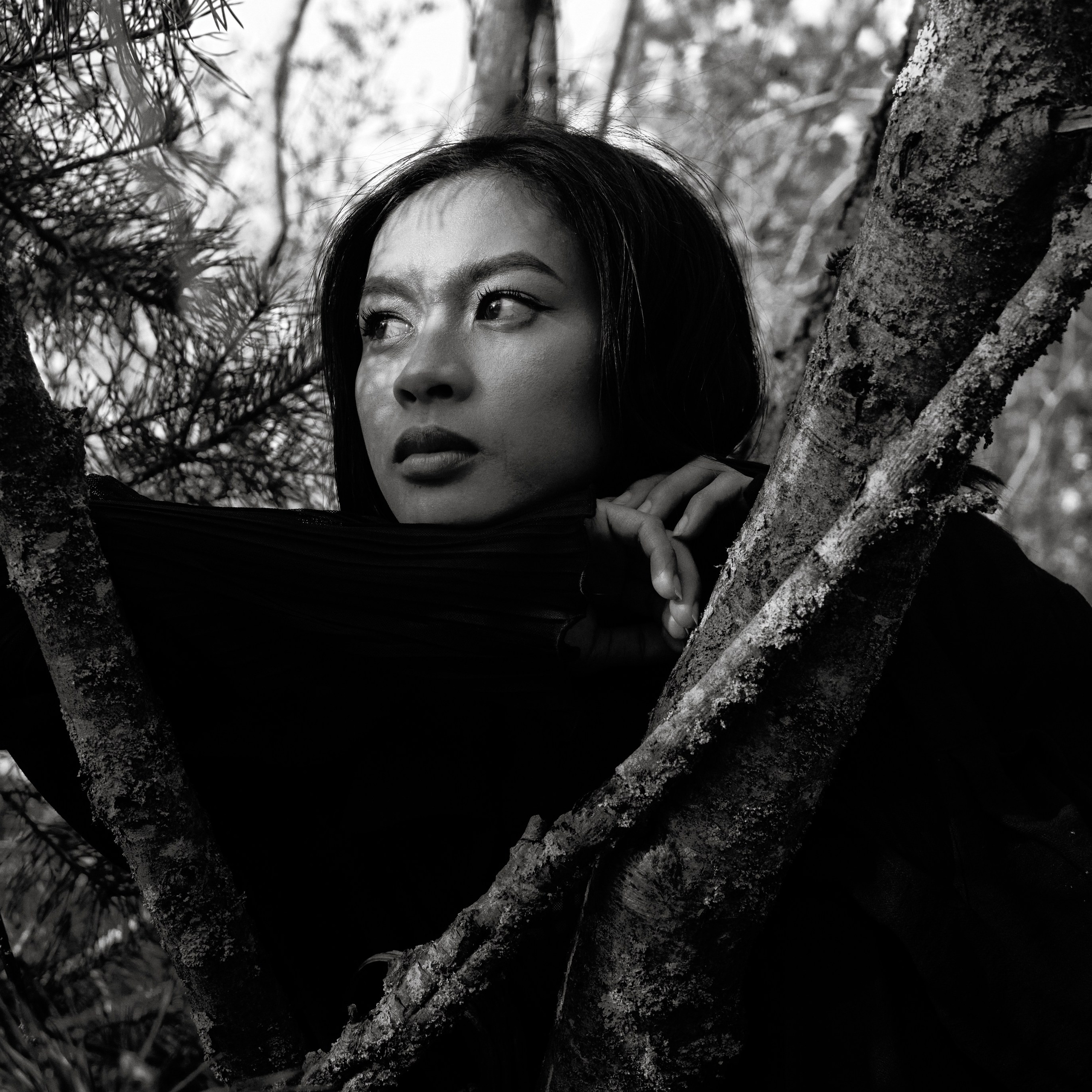
DYSTOPIAN MOVIES
Movies and animation have always been a significant source of inspiration for visual artists. Personally, I’m drawn to the aesthetics and themes of dystopian films—vast minimalistic landscapes, symmetrical architecture, intricate costume design, and, at the heart of it all, a profound philosophical question.
The first film that shaped my visual sensibilities was Equilibrium—a dystopian world stripped of emotion, yet visually striking in its rigid order. Later, Battle Royale left a lasting impression with its raw intensity and societal critique. These two films were foundational in shaping my artistic taste and the themes that continue to captivate me.
Some of my other favorites include Snowpiercer, Blade Runner and Blade Runner 2049, Mad Max: Fury Road, and Ex Machina—each offering a unique blend of world-building, atmosphere, and visual storytelling that resonates deeply with my work.

ABSURDIST FICTION
I believe absurdist fiction to be one of the most significant forms of creativity intertwined with mind plays. It’s highly symbolic, layered, and often leaves the audience with an open ending. To me, it is the most honest way of representing human nature—with all its depth, contradictions, and never-ending existential questions.
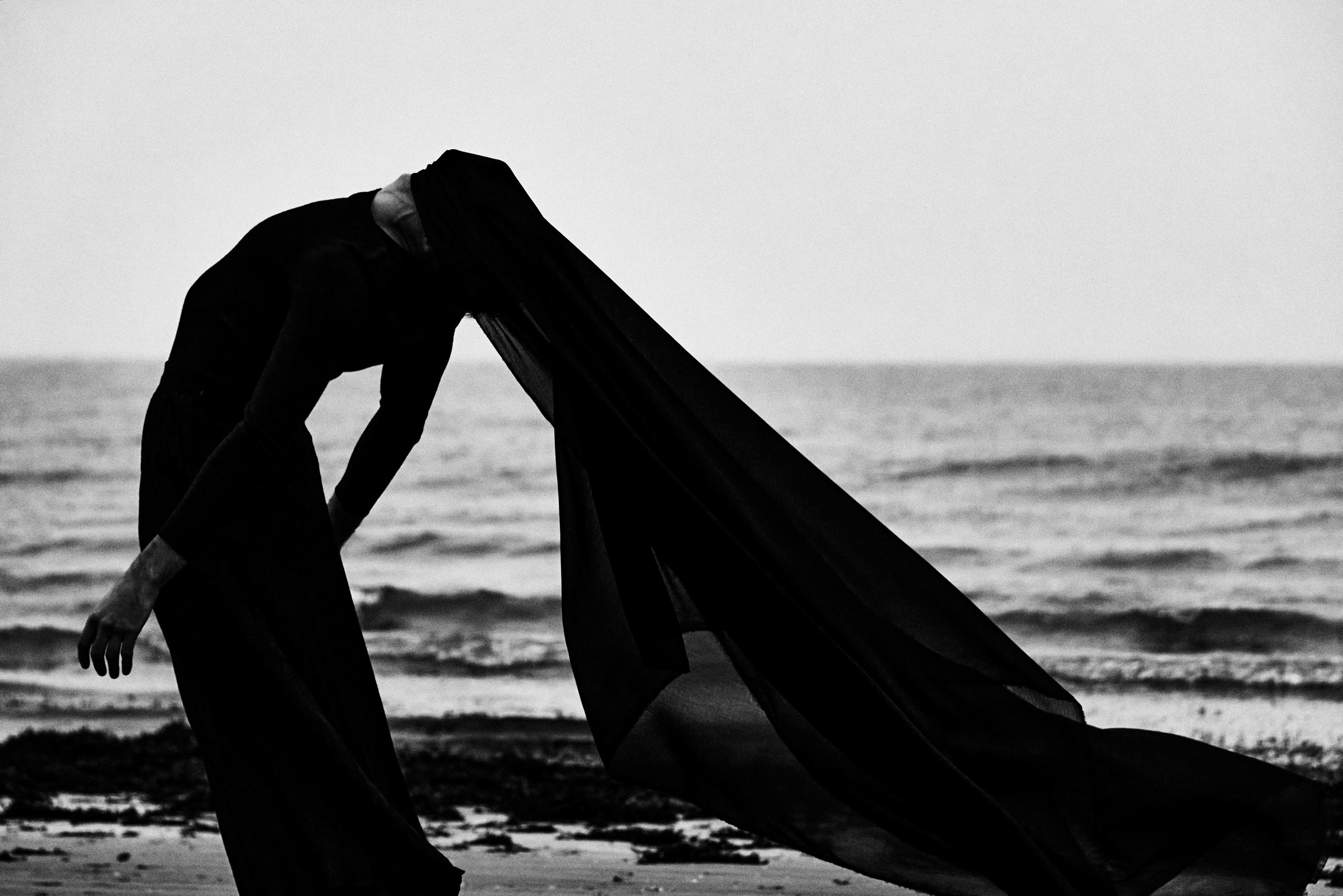
My project SHADOW was deeply influenced by Samuel Beckett’s Waiting for Godot, reflecting my fascination with the absurd.
I also draw inspiration from Haruki Murakami’s surreal narratives, where the mundane and the fantastical seamlessly coexist, and from Ingmar Bergman’s psychological explorations of the human condition. These influences shape the way I construct my photographic narratives—fragmented, poetic, and open to interpretation.
INK ART
Ink paintings are not only visually striking but also deeply philosophical. No stroke is made without intention. Its goal is to convey the perceived “spirit” or “essence” of a subject over direct imitation. At first glance, it may seem simple, but achieving that effortless feel requires years of practice. It’s also highly poetic and timeless.
In many ways, I see parallels between ink art and my photography. Both rely on a balance of control and spontaneity—where restraint enhances expression, and absence can be as powerful as presence. Like ink on paper, a photograph captures a moment with all its energy, imperfections, and raw emotion. It’s about distilling an idea to its purest form while leaving room for interpretation.